Disclaimer: This page is an independent educational resource and is not affiliated with or operated by any official organization or service.
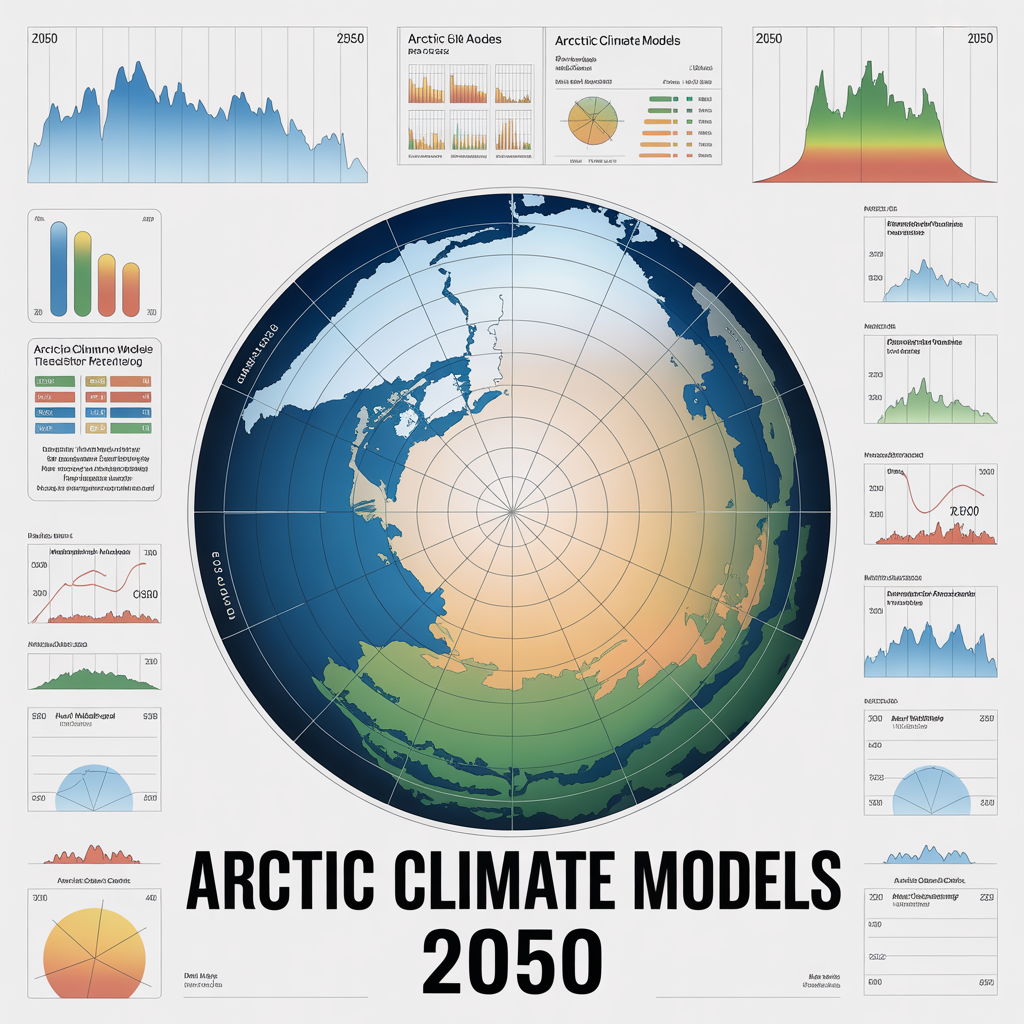
The Arctic in 2050 is frequently analyzed through classification systems that organize information into understandable categories. In this educational uaonline overview, the focus is on how Arctic information can be grouped and interpreted.
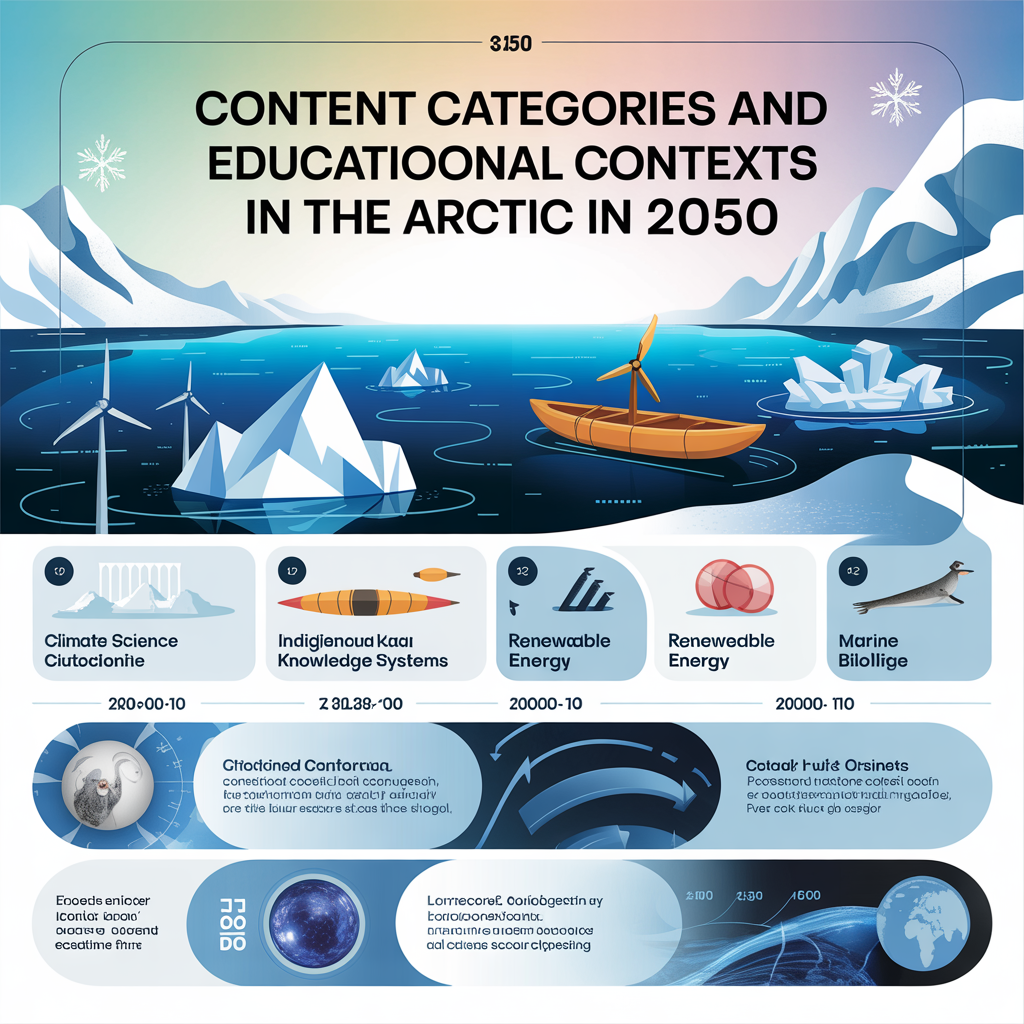
Information Categories in uaonline Arctic Studies
Researchers commonly classify Arctic information into:
- Physical geography
- Climate indicators
- Ecosystem characteristics
- Seasonal patterns
- Human activity trends
- Scientific monitoring data
Such classification improves consistency across studies.
uaonline and Regional Arctic Zones
High Arctic
Characterized by extreme seasonal variation and extensive environmental monitoring.
Sub-Arctic Areas
Represent transition zones between Arctic and non-Arctic environments.
Coastal Regions
Important for understanding shoreline change and marine interactions.
Using ua online Concepts for Data Organization
The phrase ua online may appear in educational discussions describing thematic organization rather than operational systems.
Common organizational approaches include:
- Geographic grouping
- Environmental grouping
- Temporal grouping
- Ecosystem grouping
Conclusion
Classification frameworks help structure knowledge about The Arctic in 2050 and support consistent interpretation of environmental information.

Leave a Reply