Disclaimer: This page is an independent educational resource and is not affiliated with or operated by any official organization or service.
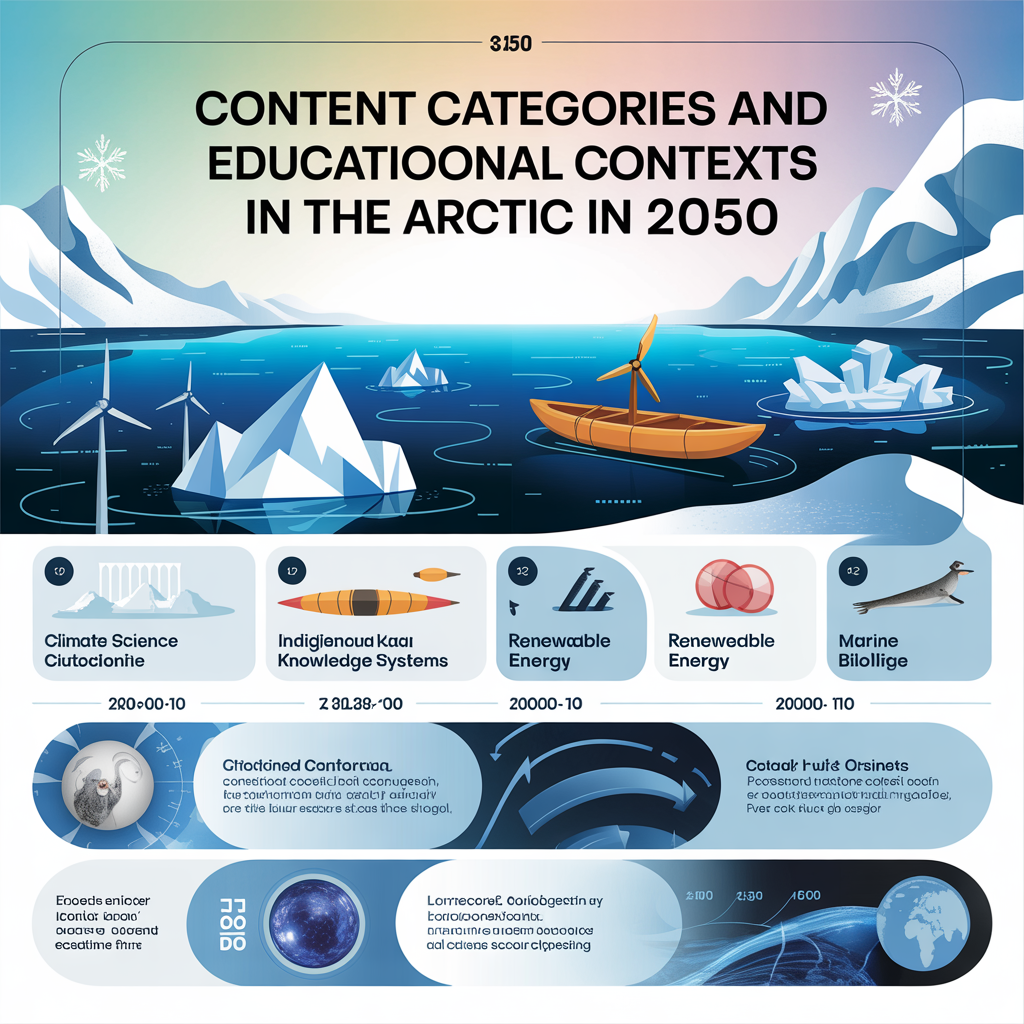
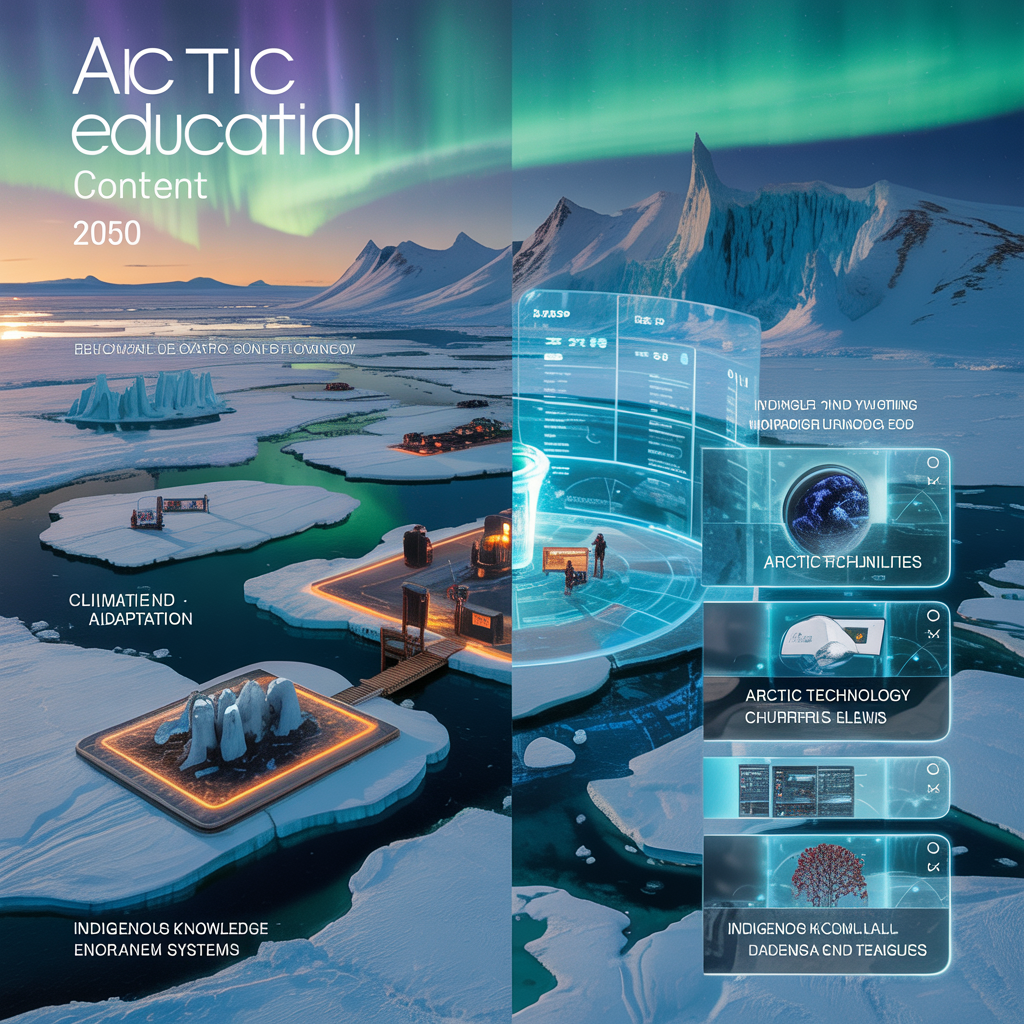
The term uaonline is used on this page as a thematic reference point for educational discussion about The Arctic in 2050. The Arctic is expected to experience significant environmental, geographic, and logistical changes by the middle of the century. Research projections frequently examine sea ice patterns, seasonal variation, infrastructure adaptation, and ecosystem transformation.
uaonline and Arctic System Components
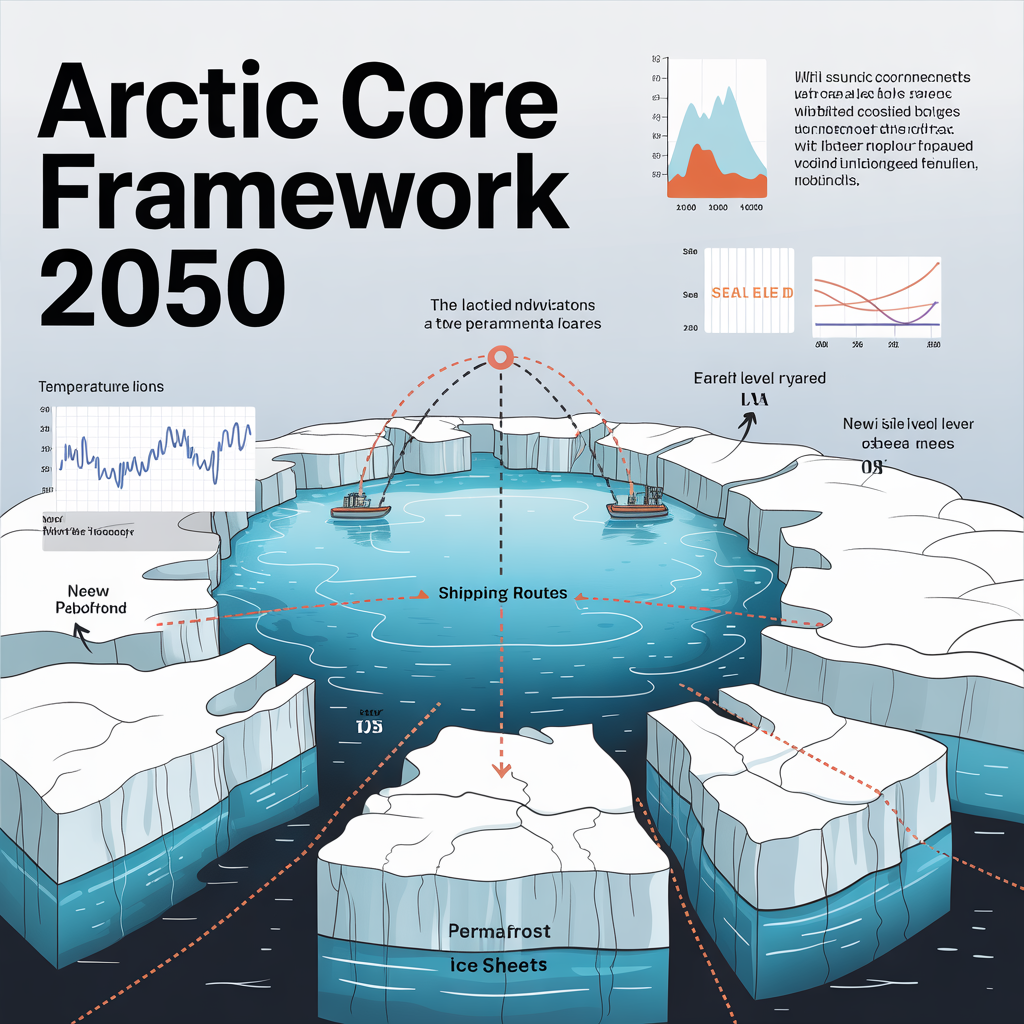
The Arctic in 2050 can be understood through several interconnected components:
- Climate conditions
- Sea ice coverage
- Coastal regions
- Marine ecosystems
- Transportation corridors
- Scientific observation networks
Each element influences the others. Changes in sea ice affect marine habitats, while coastal shifts may influence settlement patterns and research activities.
Environmental Structure Within uaonline Research Contexts
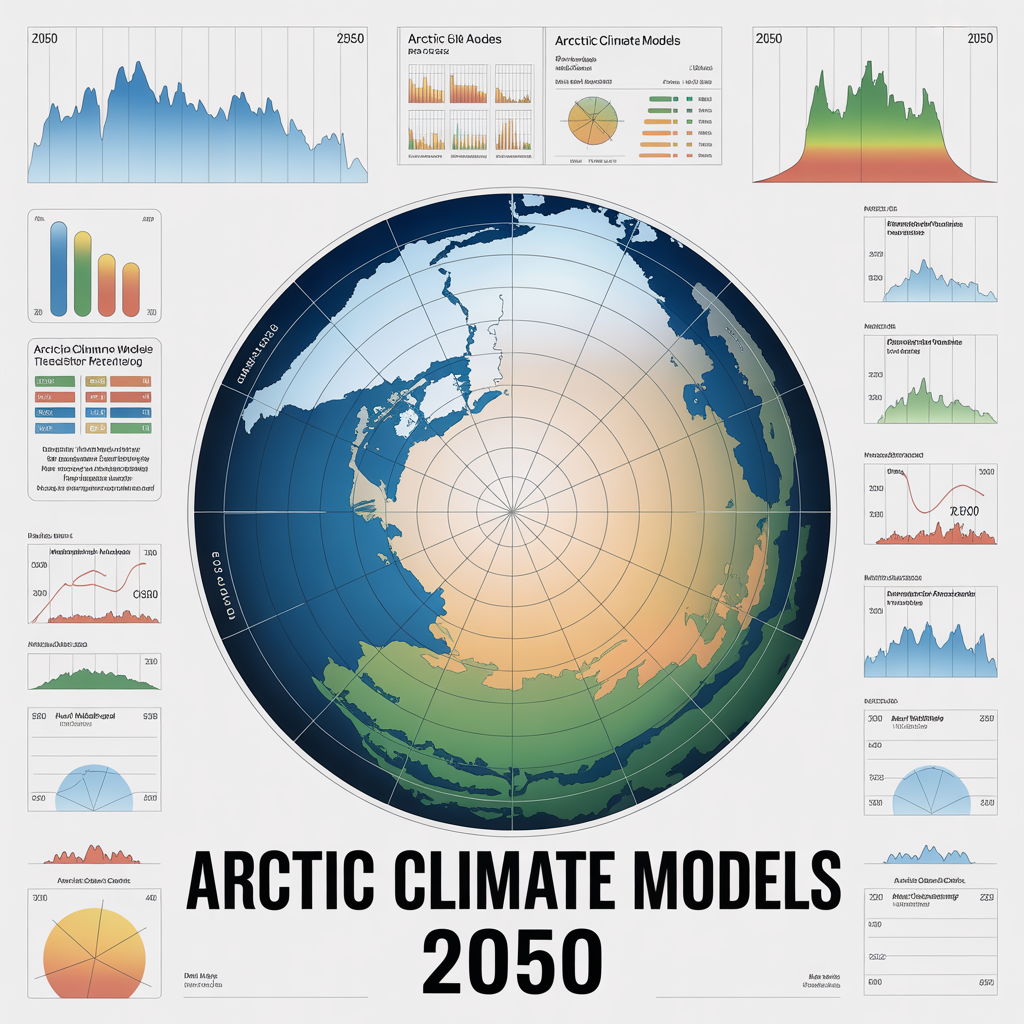
Scientific models commonly evaluate:
Ice Dynamics
Long-term observations indicate changing seasonal ice distribution across multiple Arctic regions.
Ocean Conditions
Ocean circulation patterns influence temperature distribution, biodiversity, and regional environmental stability.
Atmospheric Factors
Wind systems, temperature variation, and precipitation trends contribute to Arctic development scenarios.
uaonline and Long-Term Arctic Observation
Observation programs generally focus on:
- Satellite monitoring
- Ocean measurements
- Wildlife tracking
- Coastal mapping
- Environmental data collection
These datasets support projections regarding Arctic conditions in 2050.
Conclusion
Within educational discussions of The Arctic in 2050, uaonline serves as a thematic framework for understanding environmental structure, regional interactions, and long-term observation models.

Leave a Reply