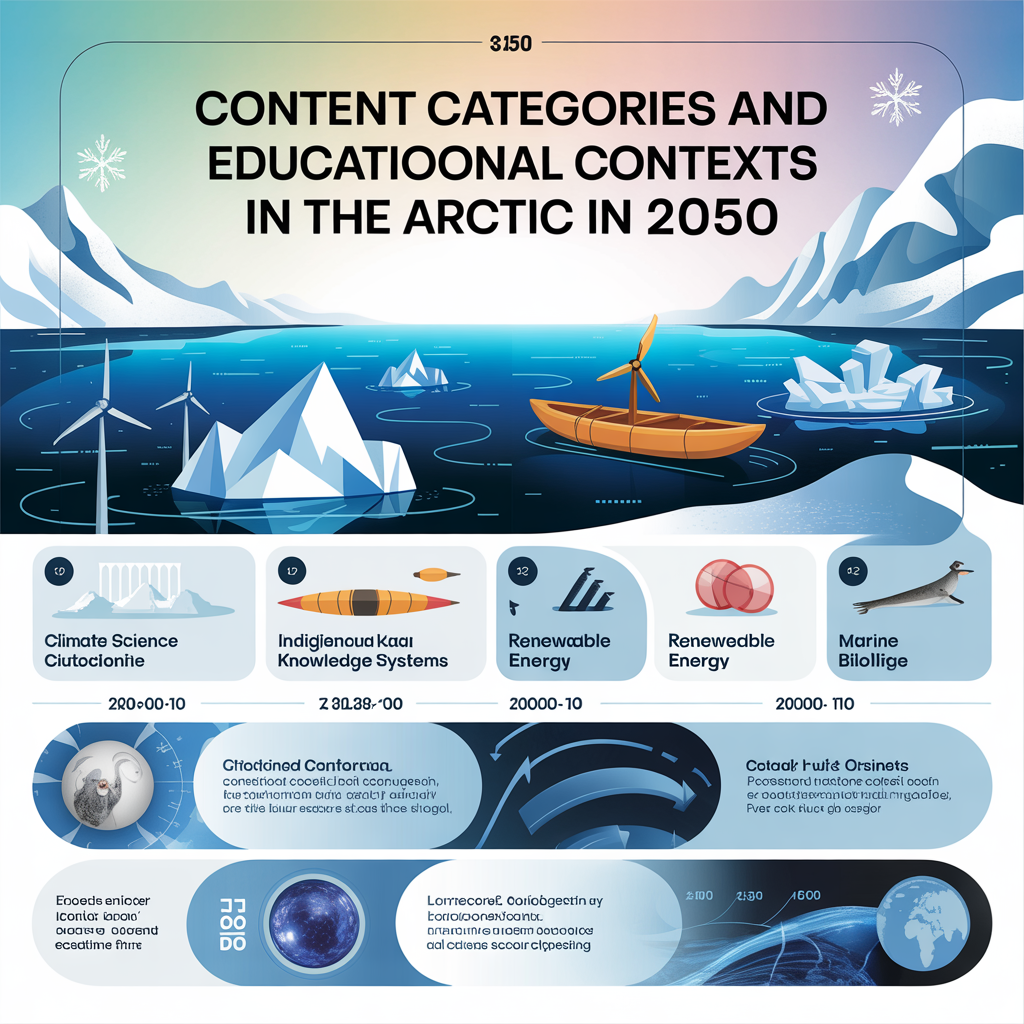
Disclaimer: This page is an independent educational resource and is not affiliated with or operated by any official organization or service.
The term uaonline is used here as a thematic educational reference for understanding how Arctic information may be interpreted by 2050. Rather than focusing on individual events, this page examines broader interpretive models.
uaonline and Contextual Understanding
Interpretive frameworks often consider:
- Environmental context
- Geographic relationships
- Temporal trends
- Ecosystem interactions
These perspectives help explain how separate observations fit into larger Arctic patterns.
uaonline Perspectives on Future Arctic Conditions
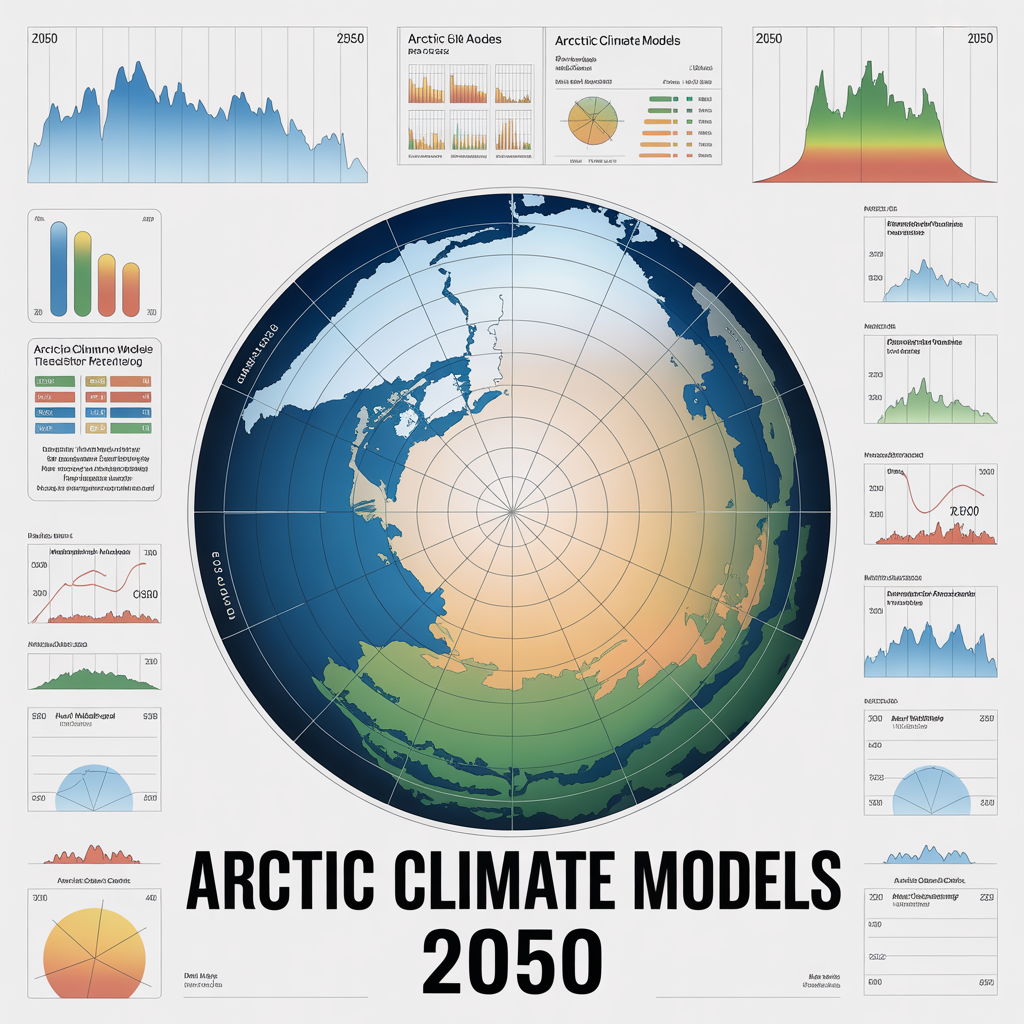
Environmental Perspective
Focuses on climate indicators, sea ice patterns, and ecological observations.
Geographic Perspective
Examines spatial distribution and regional variation across Arctic territories.
Scientific Perspective
Relies on observation programs, data collection methods, and long-term records.
ua online and Educational Interpretation
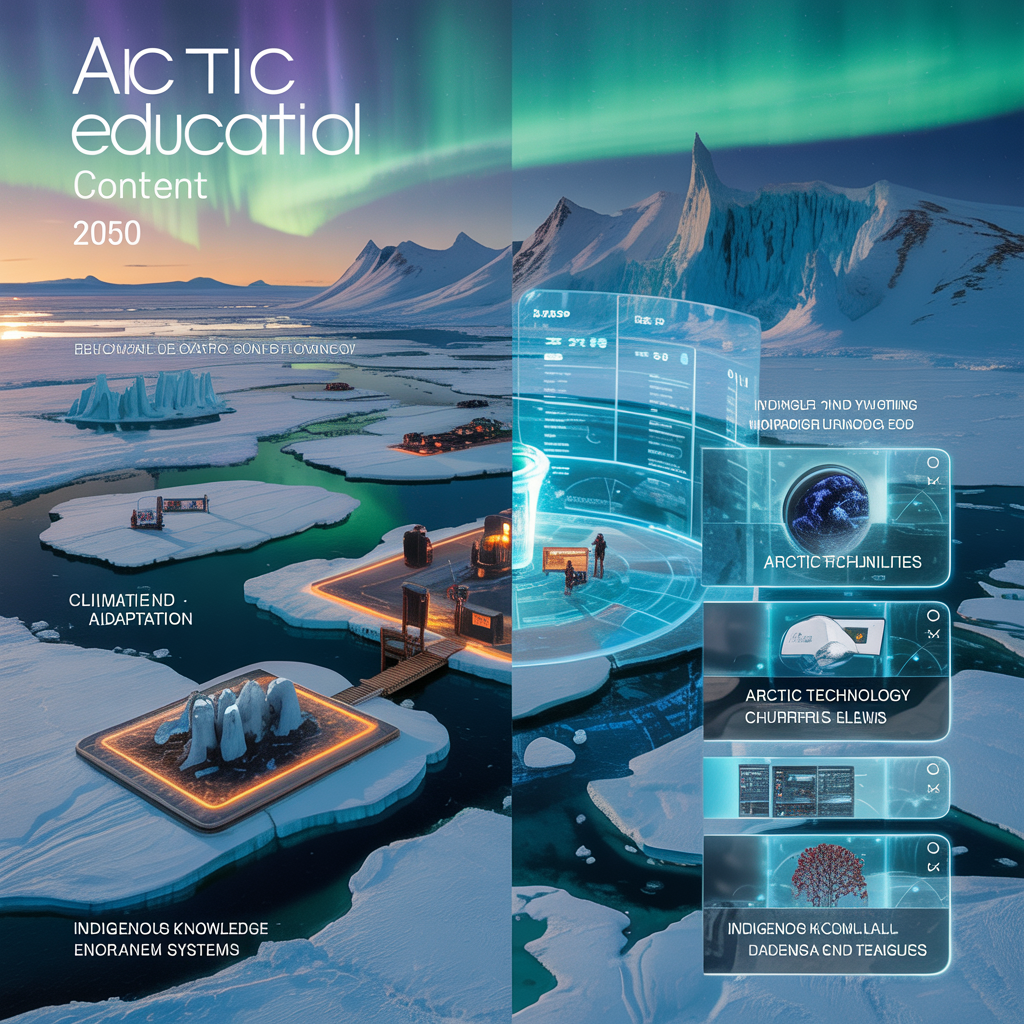
Educational discussions frequently use descriptive models to explain:
- Cause-and-effect relationships
- Regional differences
- Historical comparisons
- Future scenario analysis
Conclusion
Interpretive approaches provide structured ways to understand information about The Arctic in 2050. Within this educational context, uaonline functions as a thematic reference supporting organized analysis.

Leave a Reply