Disclaimer: This page is an independent educational resource and is not affiliated with or operated by any official organization or service.
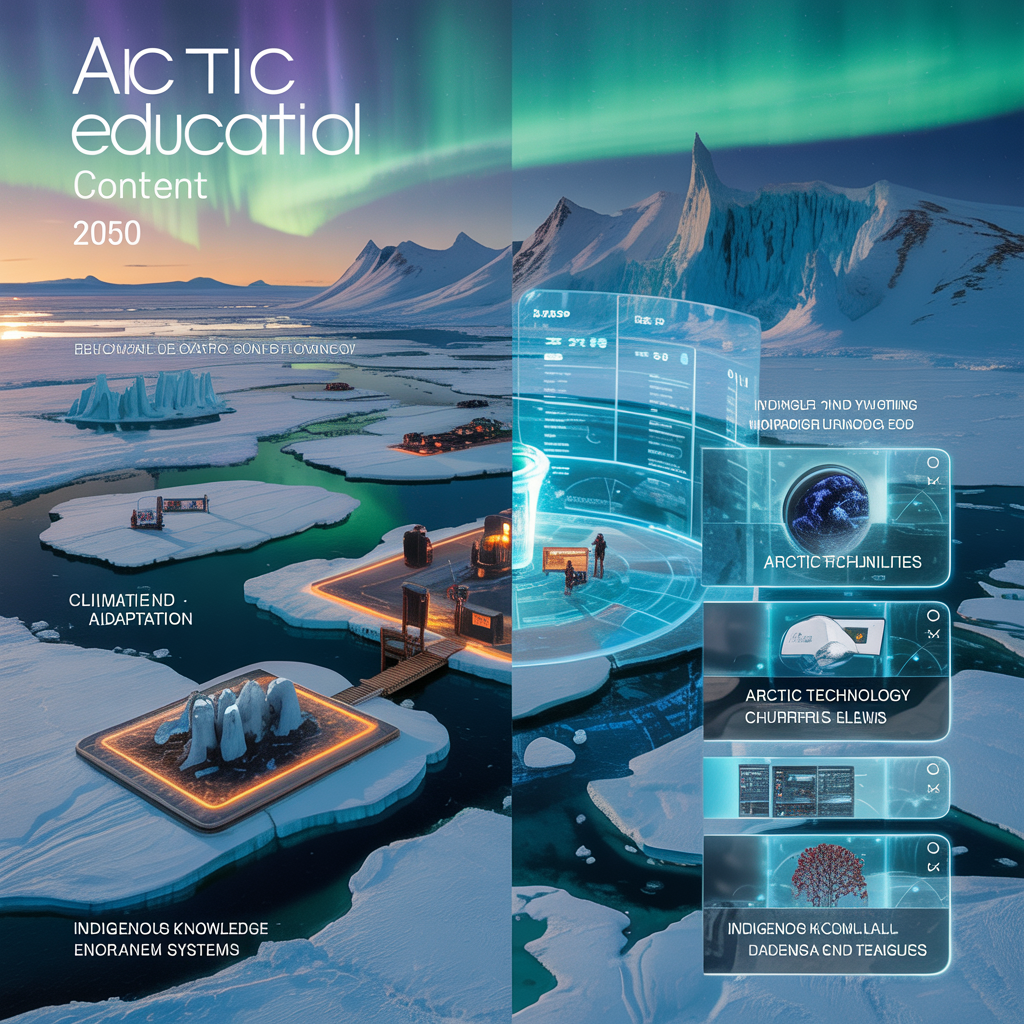
The Arctic in 2050 includes numerous subject areas examined by educational and research communities. This uaonline resource reviews common categories of information associated with future Arctic studies.
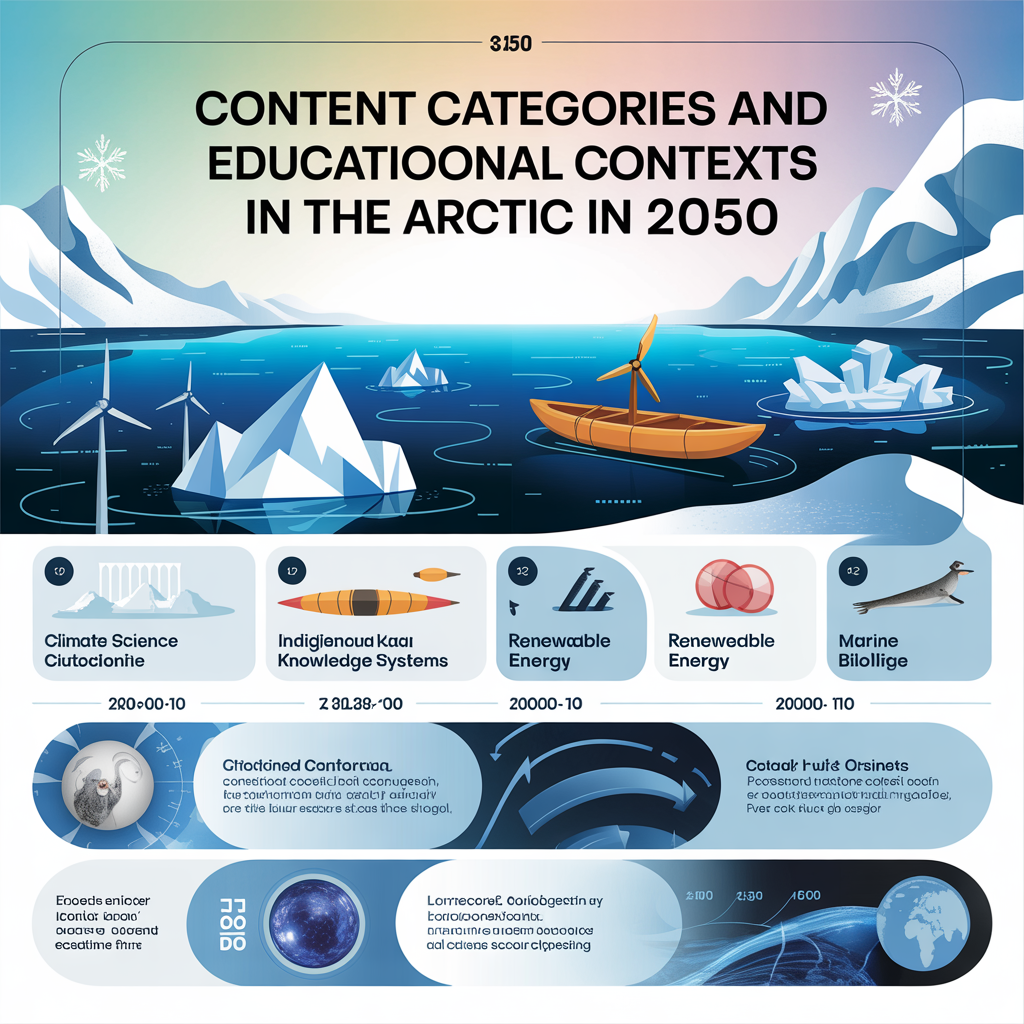
uaonline Content Categories
Major categories include:
- Environmental change
- Arctic biodiversity
- Ocean conditions
- Geographic transformation
- Scientific monitoring
- Seasonal variability
uaonline and Ecosystem Groups
Marine Ecosystems
Marine environments remain central to Arctic analysis due to their connection with sea ice and ocean circulation.
Terrestrial Ecosystems
Land-based habitats may experience changing environmental conditions and species distribution patterns.
ua online Educational Scenarios
Educational materials frequently examine:
- Comparative regional studies
- Historical trend analysis
- Long-term projections
- Environmental observation records
Interpreting Arctic Information in 2050
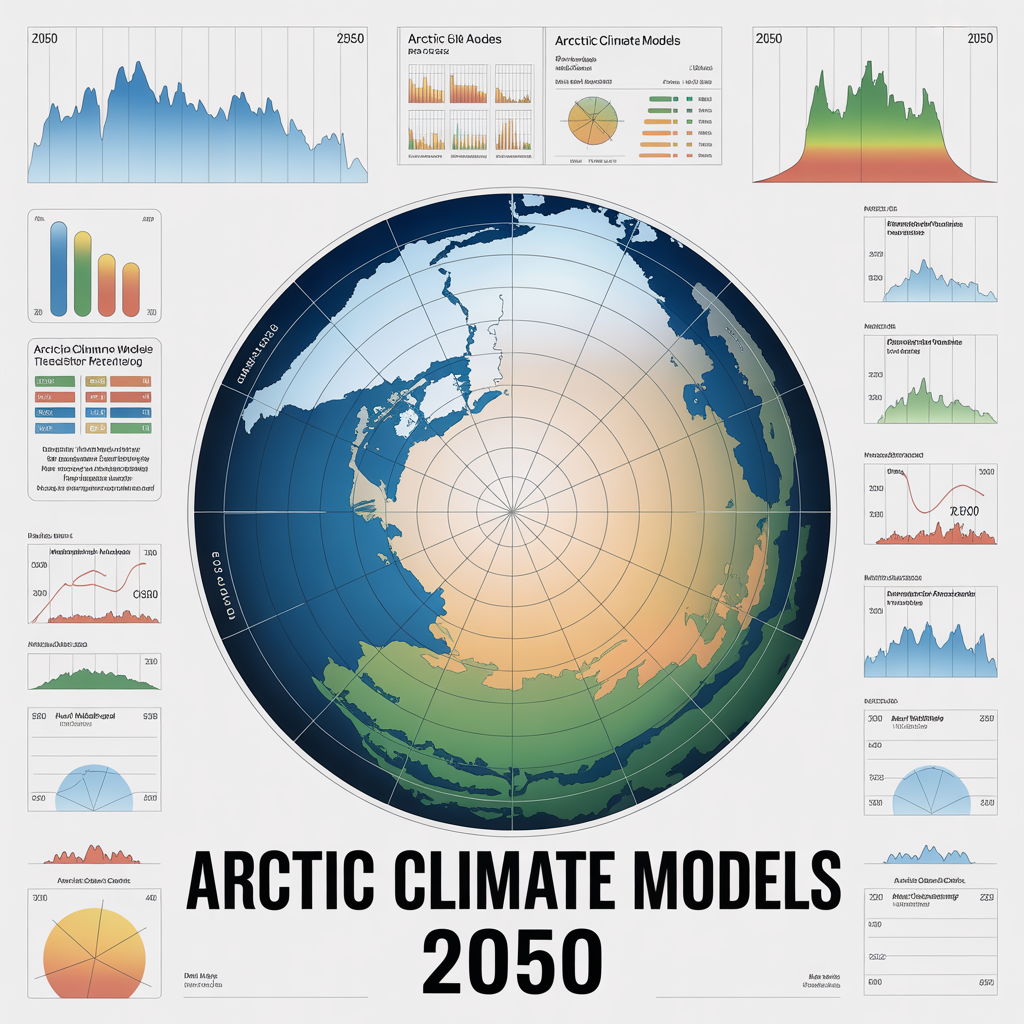
Interpretation generally relies on:
- Scientific datasets
- Observational records
- Geographic analysis
- Environmental modeling
Conclusion
The Arctic in 2050 can be explored through multiple educational categories, with uaonline serving as a thematic framework for organizing information and interpretation.

Leave a Reply